
Trump Lebanon Ceasefire Plan Surprises Israel
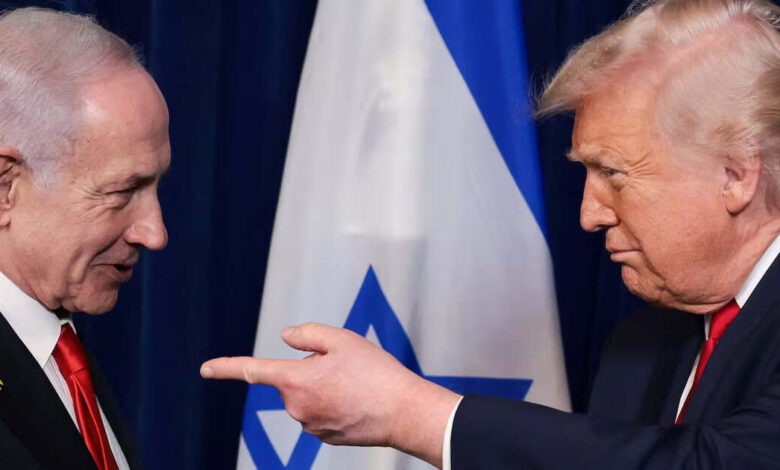
US President Donald Trump announced a new 10-day ceasefire between Israel and Lebanon. The news came as a shock to many in Israel. Officials there had little time to prepare, and the decision left some feeling frustrated. This move fits into bigger talks between the United States and Iran, but it has raised questions about how long peace can last in the area.
The ceasefire started right after the announcement. People in Lebanon began to head back to their homes. In northern Israel, warning sirens went off three times because of rockets from Lebanon. Israel’s air defense systems stopped the rockets, but explosions could be heard. Hours before the ceasefire took hold, at least three people in northern Israel got hurt by shrapnel. Two of them were hurt badly.
This is not the first time fighting has paused between Israel and Hezbollah forces in Lebanon. A similar ceasefire happened back in November 2024. That one also left some issues unsolved. Now, with Trump stepping in, the focus is on giving both sides a short break from the violence.
What Led to This Ceasefire
The fighting between Israel and Hezbollah has gone on for years. Hezbollah is a group based in Lebanon with strong ties to Iran. Israel sees Hezbollah as a major threat because of its rockets and attacks near the border. In recent months, Israeli troops moved into parts of southern Lebanon to push back against these threats. They set up positions and destroyed some sites they viewed as dangerous.
Trump said he wanted to create some space for talks. He called Israel’s actions against Hezbollah a separate issue from other problems in the region. The timing links to US efforts with Iran. The two countries had agreed to a two-week pause in their own tensions earlier this month. That pause is set to end soon, and Trump is trying to keep things calm while bigger deals are worked out.
Israeli leaders had been pushing hard in Lebanon. Just a day before the announcement, the Israeli army said five divisions were still moving forward in southern Lebanon. They made it clear that the Iran pause did not mean a stop to their work in Lebanon.
But Trump moved forward anyway. He announced the ceasefire without much warning to Israel. This left Israeli officials scrambling.
How Israel Found Out About the Deal
The surprise hit hard in Israel’s government. The security cabinet got called together with only five minutes notice. No vote took place on the ceasefire. Prime Minister Benjamin Netanyahu later explained his side of things. He said he did not agree to Hezbollah’s main demands. Those demands were for Israel to pull all troops out of Lebanon and to follow a “quiet for quiet” rule, where both sides stop firing at the same time.
Netanyahu made his position clear. “I agreed to neither the former, nor the latter,” he stated. He added that Israel would stay in a stronger security zone inside Lebanon and would not leave. Israel keeps the right to defend itself against any planned or immediate attacks, just like in the earlier ceasefire.
This quick decision has some people in Israel asking if their government gave in too fast. They wonder if the United States pushed too hard for the pause to help its own talks with Iran.
Reactions Inside Israel
Many Israelis living near the Lebanon border feel let down. A student in Nahariya named Gal said the government seemed to have lied to them. “It seems like we’re once again heading toward a ceasefire agreement that solves nothing,” Gal explained.
A 32-year-old truck driver named Maor shared similar thoughts. “We gave the Lebanese government a chance and they failed to uphold the agreement,” he said. “They didn’t disarm Hezbollah. If we don’t do it, no one will. It’s a shame they stopped. It seemed like there were significant achievements this time.”
Public opinion backs up these feelings. A poll from Israel’s Channel 12 showed nearly 80 percent of people wanted Israel to keep striking Hezbollah. Other surveys found most Israelis opposed the short ceasefire Trump set with Iran.
Opposition voices spoke out too. Gadi Eisenkot, a former head of the Israeli army and now a political leader, said ceasefires should come from a strong position. “A ceasefire must come from a position of strength in order to service the national interests of Israel,” he noted. He added that Netanyahu has a pattern of letting military wins slip away without turning them into lasting deals. This has happened in Gaza, with Iran, and now in Lebanon, according to Eisenkot.
Local leaders in northern Israel also raised concerns. Moshe Davidovich, who heads the Mateh Asher Regional Council, told reporters that deals signed far away in Washington come at a high cost for people on the ground. “The price is paid in blood and destroyed homes,” he said. He called residents of the north more than just extras in a show for the world.
These reactions show a split. The government says this ceasefire opens a chance for bigger peace with Lebanon. But many citizens and some politicians see it as a step backward that leaves Hezbollah in place and Israel still at risk.
What the Ceasefire Actually Means
The deal is short — just 10 days. It does not require Israel to pull out of southern Lebanon. Instead, Israeli forces stay in a thicker security area to watch the border. Both sides can still act if they spot an immediate threat.
Hezbollah had pushed for full Israeli withdrawal and equal quiet on both sides. Those points did not make it into the final terms. Netanyahu confirmed that Israel rejected them outright.
In Lebanon, the news brought relief for some. Roads filled with cars as families returned to areas they had left because of the fighting. Life there had been upended for months, with villages damaged and people displaced.
The ceasefire does not touch the bigger issue of disarming Hezbollah. Israel has long said the group must give up its heavy weapons near the border, as called for in old UN agreements. Without that, many fear the pause will just lead to more fighting later.
Links to Wider US and Iran Talks
Trump’s move is not happening in a bubble. The United States has been talking with Iran about its nuclear program and other tensions. The two-week ceasefire with Iran was meant to create room for those talks. As that deadline nears, Trump appears to want calm across the region to avoid a wider war.
Hezbollah gets support from Iran, so any deal with Tehran can affect Lebanon. Israeli officials worry that a soft approach now might encourage Iran and its allies to push harder later.
At the same time, the United States has tried to balance support for Israel with its own goals. Trump has said he wants to see historic peace in the area, but critics in Israel say the pressure from Washington is too strong.
What Happens Next
The next 10 days will be a test. Both sides have agreed to stop major attacks, but small incidents could still flare up. Israel has kept its right to strike if it sees danger coming. Hezbollah has not said it will change its ways.
For people in northern Israel, the worry is that nothing has really changed. Homes remain damaged from past rocket fire. Farms and businesses sit empty or destroyed. Residents want real security, not just a short break.
In Lebanon, the return of families brings hope for normal life, but many know the calm could end fast. The economy there has suffered badly from the conflict, with roads blocked and jobs lost.
Politically, this ceasefire puts Netanyahu in a tough spot. He must explain to his people why the military push stopped now. At the same time, he needs to keep good ties with the United States, Israel’s key ally.
Experts watching the region say short ceasefires like this have happened before without fixing root problems. The last one in November 2024 followed the same pattern: a pause, some talks, then fighting picked up again. Without a plan to remove Hezbollah’s weapons or set clear border rules, the cycle might repeat.
Broader Impact on the Middle East
This event matters for more than just Israel and Lebanon. It shows how connected all the pieces are — from Iran to Gaza to the borders with Syria. A ceasefire here could help or hurt talks on other fronts.
For the United States, Trump is trying to show he can get results fast. Announcing the deal himself puts the spotlight on his role as a deal maker. But if the pause falls apart quickly, it could look like a weak move.
Iran may see this as a sign that pressure works. By linking its own ceasefire to events in Lebanon, Tehran keeps influence over Hezbollah.
Other countries in the area are watching closely. Some Arab nations that have made peace with Israel want stability. They fear that ongoing fights could drag them in or spark new refugee crises.
Human costs stay high no matter what. Thousands have died or been hurt since the fighting grew worse. Families on both sides of the border live with fear every day. Children miss school, and parents struggle to provide.
Aid groups and UN teams will likely step up during this pause to help with repairs and medical needs. But long-term help depends on real progress toward peace.
Looking Ahead
The coming days will show if this ceasefire holds. Israel says it will defend itself as needed. Lebanon and Hezbollah will decide how they respond.
Many in Israel hope their leaders use this time to push for stronger terms next time. Others just want the rockets to stop for good.
Trump’s announcement has changed the pace of events in the Middle East once again. Whether it leads to lasting calm or just another short break remains to be seen. For now, the focus is on keeping the guns quiet while everyone figures out the next steps.
This story is still developing. Officials on all sides will meet and talk in the days ahead. People in the affected areas will try to get back to their lives, hoping this time the peace lasts longer than before.
Explore more breaking stories and latest updates across our website to stay fully informed.